The Genki Ala Wai Project
Students, Teachers, and the Community Working Together


Our next community event is Saturday Nov 7
Please join us for our next community event on Saturday, Nov 7 at Jefferson Elementary School. We look forward to seeing you there!
Sign up using the link below.
Our Vision:
A swimmable and fishable Ala Wai Canal, supported by an engaged community dedicated to restoring its watershed.
Our Mission:
To empower students, teachers, and the community to work together to restore the Ala Wai ecosystem.
Common Ground, Shared Waters
Hawai‘i Pacific University Symposium on Genki Balls
Purpose and Context
Last Friday, members of the Genki Ala Wai Project participated in a symposium hosted by Hawai‘i Pacific University (HPU) to discuss Genki Balls and their potential effects on water quality and ecosystem health.
We extend our sincere thanks to Dr. Carmella Vizza, Dr. Olivia Nigro, and the entire HPU team for bringing students, researchers, and community members together for this important conversation. For many years, we have sought greater collaboration with the academic community through data sharing, exchange of ideas, and joint research.
Safety and Scientific Context
One of the main questions raised at the symposium concerned the safety of handling Genki Balls, especially with bare hands and by children. Based on years of experience, we have regarded this activity as safe, while remaining open to new scientific findings and guidance.
The Effective Microorganisms (EM®) used in Genki Balls are a consortium of naturally occurring microorganisms that are Generally Recognized as Safe (GRAS) by the U.S. Food and Drug Administration and have been approved in Hawaii by the Department of Agriculture and Department of Education. These microbes are non-pathogenic, not genetically modified, and certified for organic use (OMRI-listed). They have been used globally for decades in agriculture, animal husbandry, composting, wastewater treatment, and environmental remediation.
Research Findings and Our Focus
HPU researchers presented results from laboratory tank experiments and field studies at Hamakua Marsh. These included observations of reduced dissolved oxygen under stagnant tank conditions and the detection of a potentially harmful microbe. We respect the role of researchers and educators in raising these concerns and encouraging continued scientific inquiry.
Our primary area of focus is the Ala Wai Canal, where our project has operated continuously for the past seven years. We attended the symposium seeking information on long-term trends in the Ala Wai and any measurable impacts associated with Genki Ball use there. Based on the presentations, we did not hear evidence indicating harmful effects in the Ala Wai itself.
If credible evidence emerges demonstrating negative impacts on the Ala Wai ecosystem, we are committed to reviewing it carefully and adapting our practices as needed. Our goal remains to engage and empower the community in restoring this watershed responsibility.
Genki Balls Within a Larger Restoration Strategy
During the forum, Genki Balls were described by some as a “silver bullet.” This does not reflect our view of watershed restoration. Watersheds are complex, living systems, and no single solution can address all challenges.
Effective restoration requires a combination of strategies, including:
Reducing pollution at its source
Improving stormwater management
Restoring natural habitats
Supporting ongoing scientific research
Expanding environmental education
Encouraging long-term community stewardship
Within this broader framework, Genki Balls are one tool among many. We also recognize that, particularly after the pandemic, strong community engagement made Genki Balls the most visible aspect of our work. In hindsight, we see an opportunity to better communicate that Genki Balls are part of a comprehensive, long-term restoration strategy for the Ala Wai watershed.
Community Impact and Observations in the Ala Wai
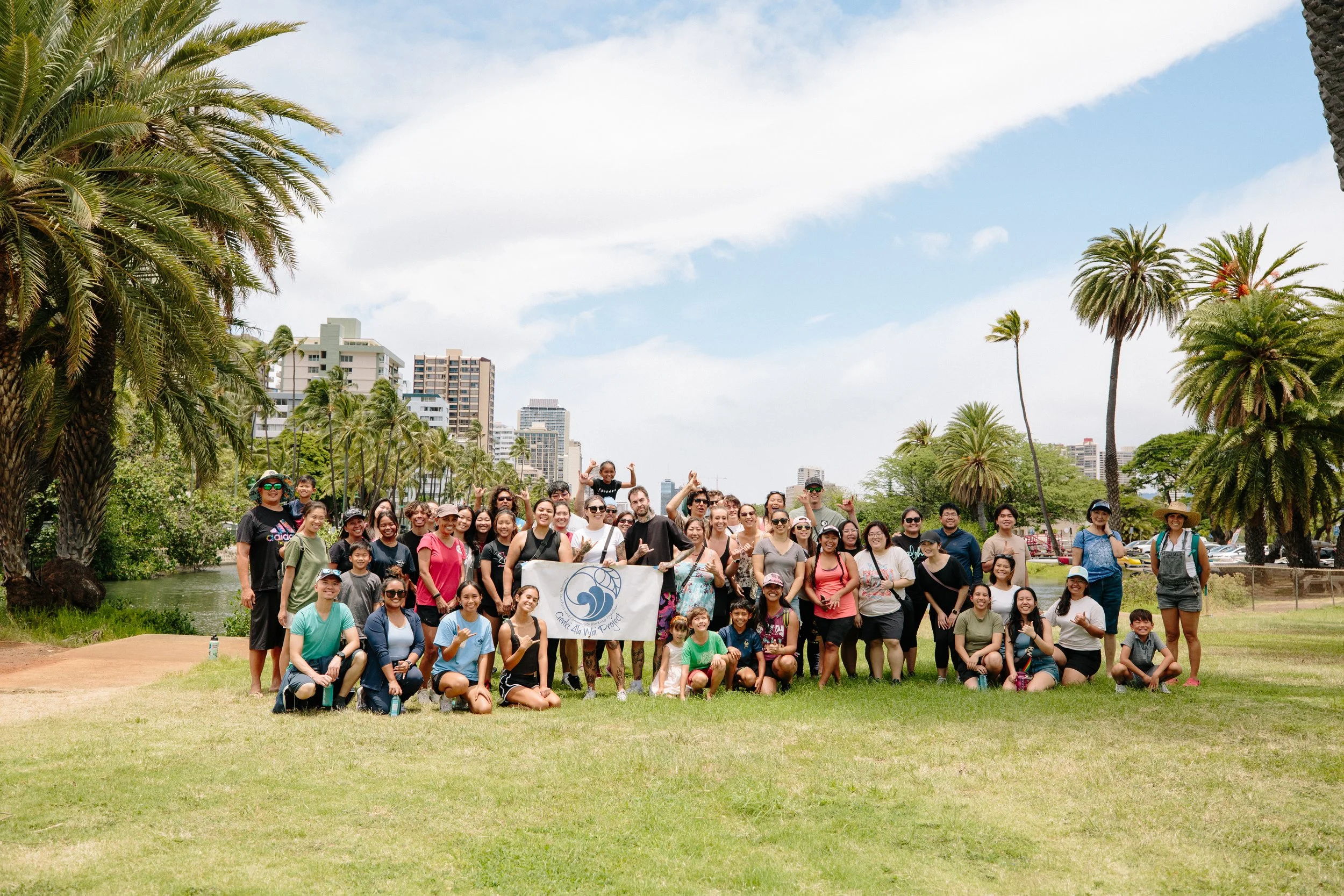
Over the past seven years, more than 20,000 students, teachers, volunteers, residents, and visitors have participated in hands-on activities through our project. Together, the community has made and deployed over 300,000 Genki Balls as of Earth Day 2026. This milestone reflects a powerful collective effort, and we are deeply grateful to everyone involved.
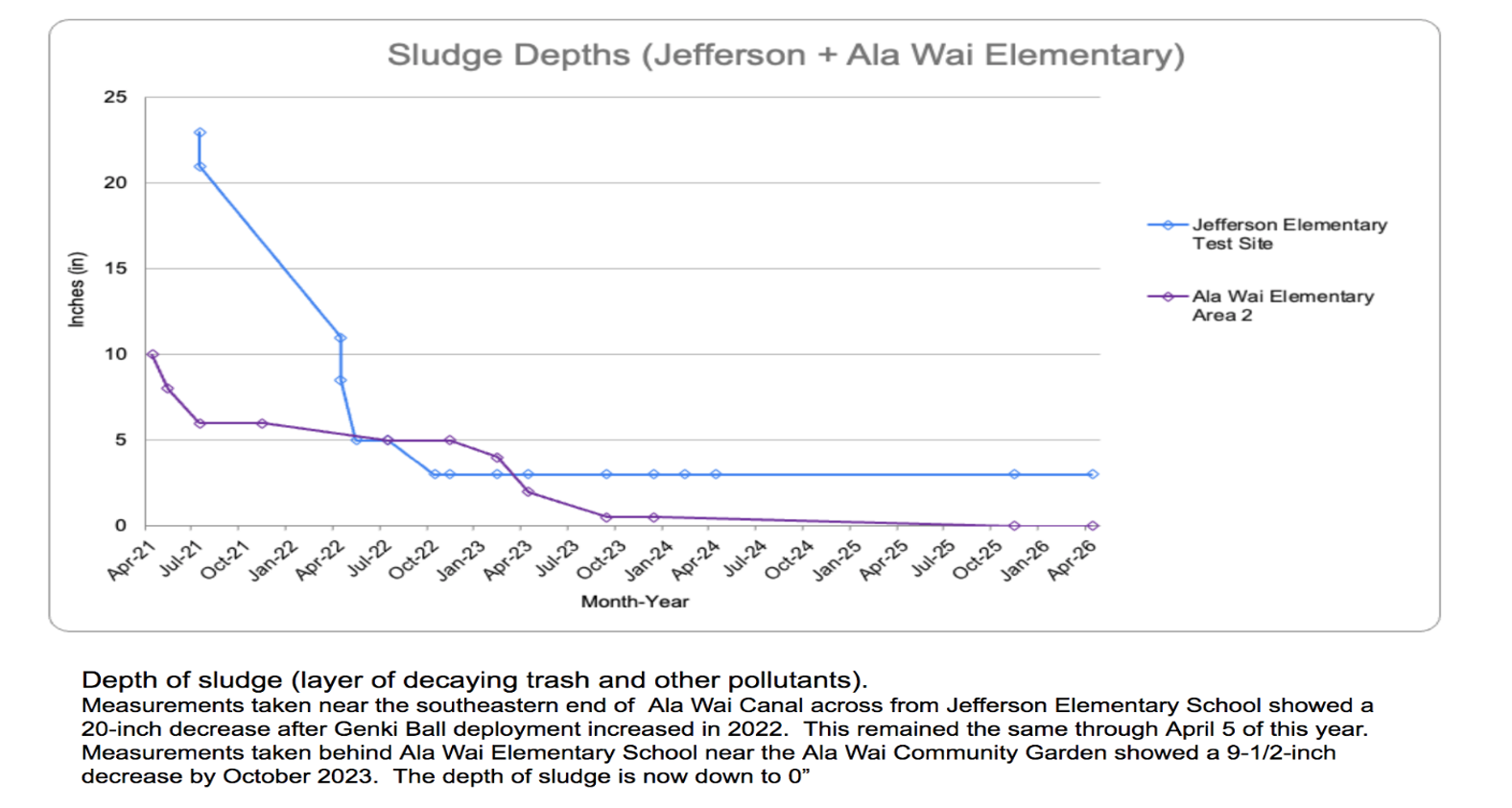
During this time, we have documented encouraging observations in the Ala Wai, including reduced sludge accumulation near the Ala Wai Community Gardens and at the Kapahulu end of the canal. Sludge forms from decaying organic matter and pollutants, and it can deplete oxygen and promote harmful bacterial growth. Seeing less sludge in these areas also led to encouraging observations of several wildlife, including native species, returning to the Ala Wai Canal.
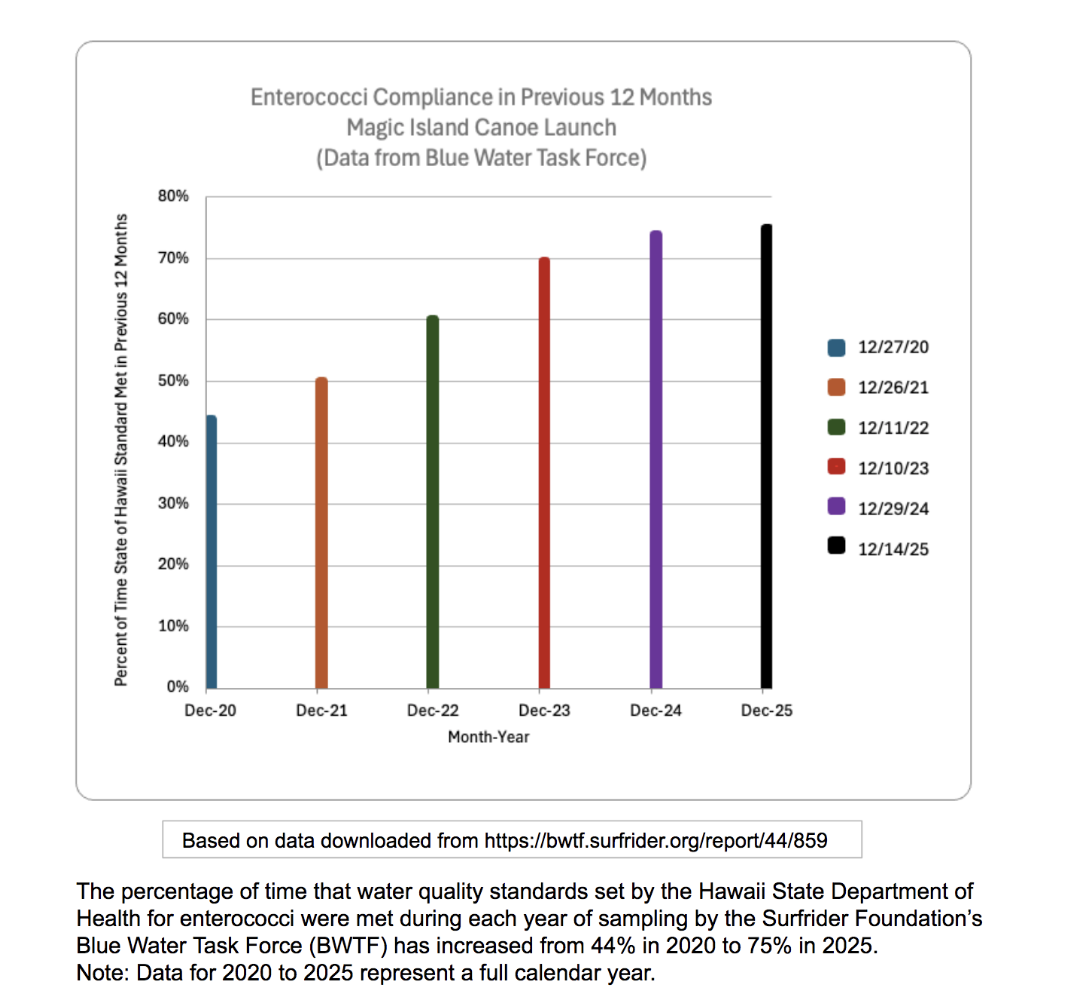
We have also observed improvements in downstream recreational water quality at the Magic Island Canoe Launch, as reported by the Surfrider Foundation’s Blue Water Task Force (BWTF). Led by Dr. Daniel Amato, BWTF volunteers have conducted long-term water quality monitoring across the island, demonstrating the value of community-based science. More information is available at https://bwtf.surfrider.org/.
Ongoing Dialogue and Shared Commitment
This symposium took place nearly ten months after HPU’s Hamakua Marsh study first received public attention. At that time, we requested a meeting with the researchers to better understand their findings and were informed that discussions would occur after the research progressed further through the publication process.
Meeting in person provided important context that cannot be captured in headlines or brief summaries. While perspectives may differ, we left the event with a shared understanding: students, researchers, educators, and community volunteers are united by a deep commitment to caring for Hawai‘i’s environment.
One of the most meaningful outcomes of the symposium was a mutual commitment to continued dialogue and potential collaboration. Community organizations and researchers each bring valuable knowledge and experience. By asking rigorous questions, sharing data openly, and remaining willing to learn from one another, we can strengthen collective efforts to restore Hawai‘i’s waterways.
We thank Hawai‘i Pacific University for creating a space for respectful, constructive discussion and look forward to future collaboration in advancing a resilient and healthy Ala Wai watershed.
Mahalo to our amazing partners!